


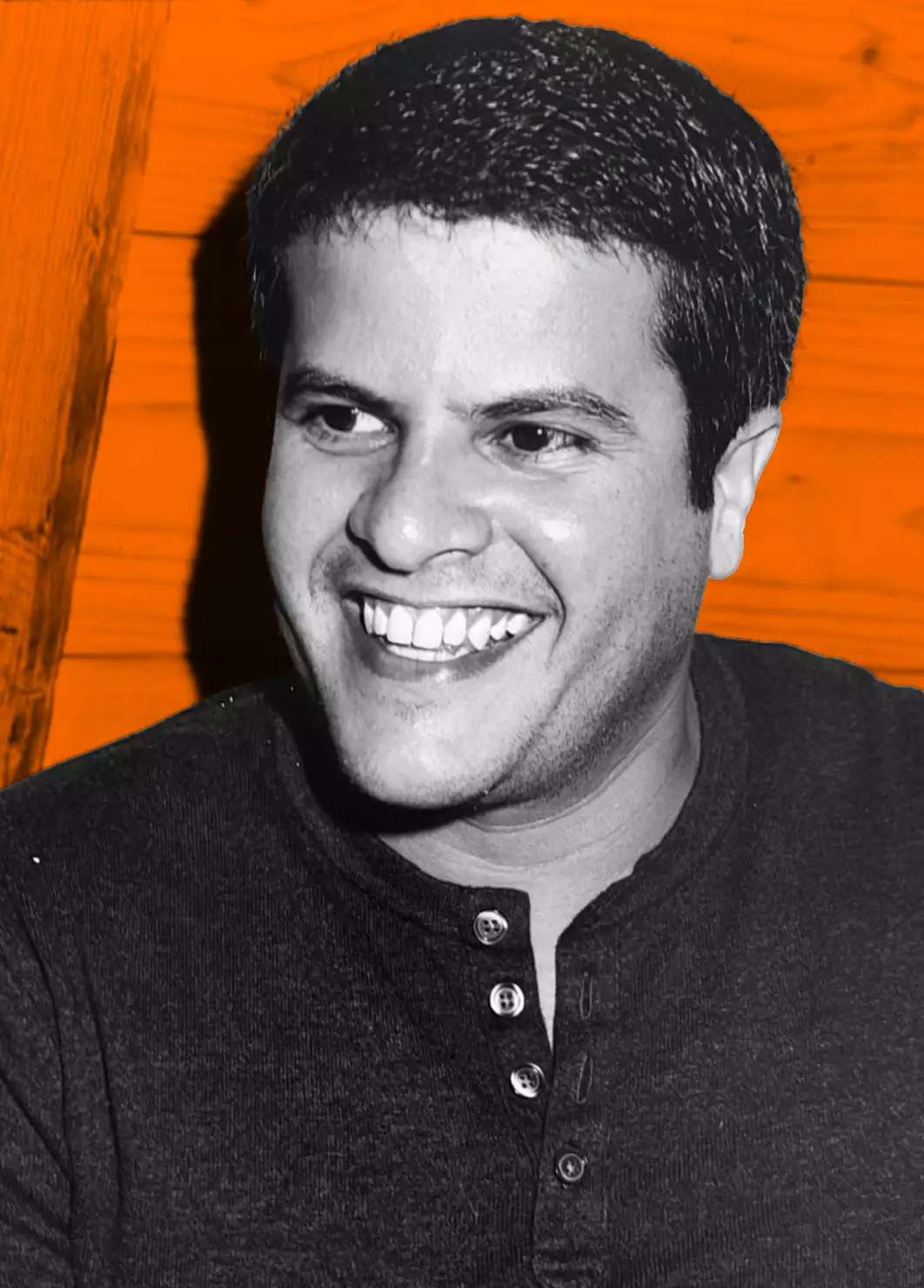
Rami left Saudi Arabia for the US at the age of 13, was educated in Pennsylvania and attended college in Texas, where, after graduating, he started a business with American partners and worked internationally.
He is not a political activist and has had no involvement in Saudi politics. His father, Ali Al-Naimi, is the former Saudi oil minister and former head of Aramco.
On 4 November 2017, Rami was travelling home from Australia, where he had met business partners and accompanied his elderly father on a book tour. At Dubai Airport, UAE authorities abducted him without explanation. He was shackled and blindfolded, driven to Abu Dhabi and taken to an airfield, where a private jet was waiting. Rami was put aboard alone and flown against his will to Saudi Arabia.
His destination was the five-star Ritz-Carlton Hotel in Riyadh. In November 2017, the hotel had been transformed into a detention centre as the Saudi authorities rounded up scores of people.
Inside the Ritz-Carlton, he was interrogated and tortured, including through electrocution and waterboarding, and subjected to severe psychological abuse. At one point, his interrogators falsely told him that his father was being tortured in the room next door.
When Rami was released from the Ritz-Carlton at the end of January 2018, he was forced under duress to sign a declaration agreeing to pay billions of Saudi Riyals to the authorities, far beyond his means in return for his release (today, 1 billion SAR is equal to nearly £200 million or $260 million) After he was released, he handed over the assets and savings he did have, but his ordeal did not end.
Rami was banned from leaving Saudi Arabia, placed under electronic surveillance and required to live in a country which had not been his home for decades. With nowhere else to go, he stayed with his elderly parents.
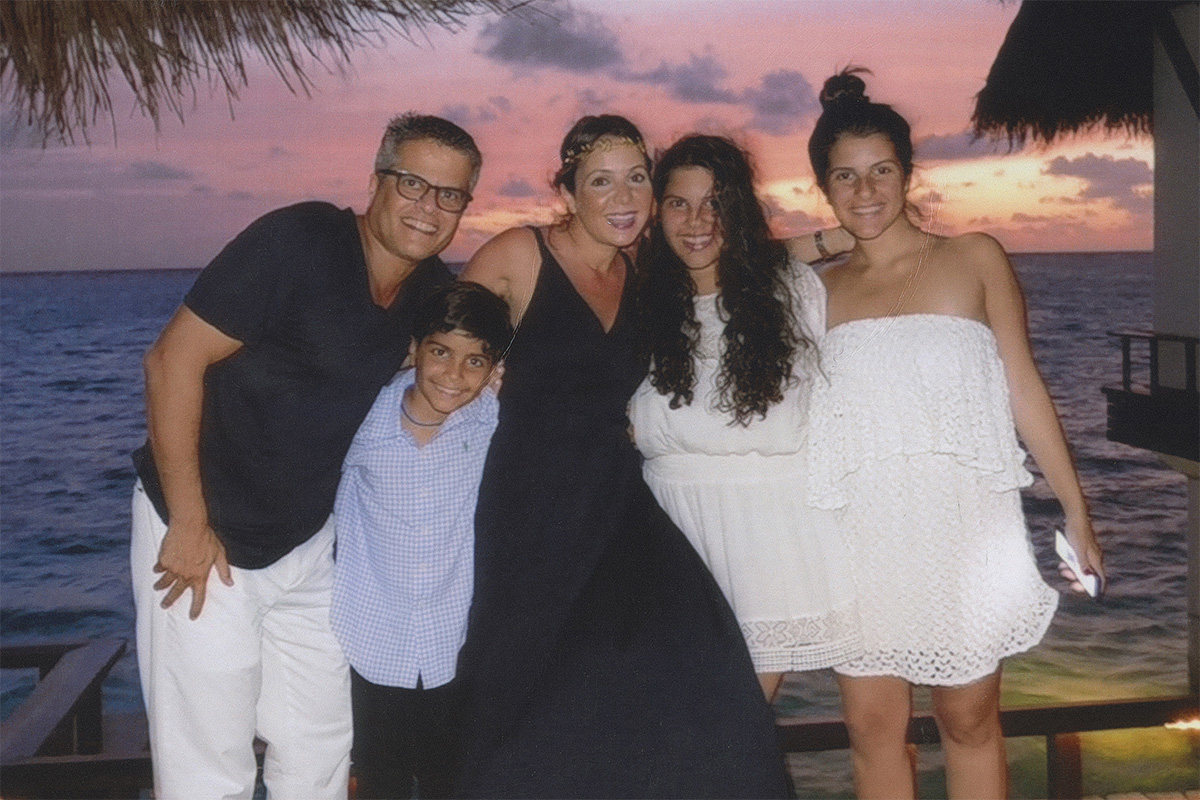
For his family, what they initially hoped might be a temporary crisis became a seemingly endless separation.
In September 2022, their worst fears were realised. Rami was taken again, and then, in December that year, disappeared again. For almost two years, his family did not know where he was being held, and at times did not even know whether he was alive or dead. They later learned that he had been mistreated again during this period.
Rami was eventually located in July 2024 in the notorious Al-Ha’ir Prison, where he spent months in solitary confinement before being released under an electronic tag and travel ban in March 2025.
Seven years after his original abduction, Rami was informed for the first time of a false charge against him – he was accused of exploiting his father’s official influence in connection with a US company's successful tender for technology designed to tackle diesel smuggling for Aramco.
After a secret and manifestly unfair trial, he was sentenced to six years in prison. He has not yet been returned to prison to serve that sentence, but remains electronically monitored, subject to strict movement restrictions and unable to leave Saudi Arabia. He is at risk of being taken back into prison at any time.
Rami now also faces a second case, including false allegations that he followed social-media accounts critical of the Kingdom, for which, if convicted, he faces up to 20 years’ imprisonment, and attempted to leave Saudi Arabia without permission. He denies both allegations.
The cases against him are false and fundamentally unfair.
Caoilfhionn Gallagher KC, lead counsel, queries whether what has happened to Rami forms part of the pattern of Saudi transnational repression and “proxy persecution”, in which relatives or associates of people of interest to the state are themselves targeted.
The human cost has been devastating.
When Rami was first taken in 2017 his son, Ali, was just 12 years old. Rami has missed weddings, graduations, birthdays and almost every other important family occasion. His children cannot safely visit him amid fears they could themselves be detained. Mira and their children have been left maintaining a family relationship through monitored calls, while fearing what might happen to Rami next.
Mira, who has recently been diagnosed with cancer and is undergoing intensive treatment, has now decided that after years of pursuing quiet diplomatic efforts, remaining silent is no longer an option.
The Bring Rami Home campaign is the family's last resort. They are asking the British Government, MPs, the European Union, the United Nations and the wider international community to help secure Rami's freedom and his safe return to his family in London.
After nine years of abduction, torture, disappearance, detention and forced separation, their demand is simple: Bring Rami Home.
Rami boards a flight in Sydney, Australia, bound for Dubai, UAE.
Rami detained and unlawfully taken to Saudi Arabia. Stopped by border officials at Dubai airport in early morning after disembarking from his flight; detained and transferred in custody of Abu Dhabi officials; taken to Abu Dhabi; then flown by private jet to Riyadh.
Rami remains detained at the Ritz Carlton Hotel, Riyadh. He is tortured, including by beating, waterboarding and electrocution, and interrogated.
Rami released after signing a “settlement agreement” under duress (threat of imprisonment if he did not sign, and risk of continued torture). Forced to “agree” to hand over to Saudi authorities huge sums of money, far beyond his means in return for release (today 1 billion riyals is equivalent to nearly £200million or USD 260miilion). Released on electronic tag and subject to a travel ban, required to live at father’s home. Assigned a “handler” who checks in regularly, demanding payment of “settlement”.
Despite there being no lawful basis for this seizure, Rami hands over his all of his business assets and savings to Saudi authorities, in hope that he will be permitted to return to his family in the UK.
Rami detained a second time. Contacted by his handler and told to wait at his father’s house as there is an issue with his electronic tag, but this is a pretext for his detention. Asked before being detained if he has another nationality; he confirms he is Maltese, an EU citizen. On arrival at his father’s residence, Saudi officials detain him and then take him to prison in Dammam.
For the first weeks of his detention in Dammam prison, Rami is permitted calls to his family in Saudi. (He is not permitted to call his family in the UK).
Rami disappears. His whereabouts are unknown. His family do not know if he is alive or dead.
After interventions behind the scenes, Rami is located: he is alive. He is moved to Al Ha’ir prison, Riyadh, from an unknown location. It is later learned that Rami had been detained by the Nazaha where he had been subjected to prolonged interrogation; held in solitary confinement and incommunicado, and under constant artificial light.
After further interventions behind the scenes, Rami is released on electronic tag, and subject to a travel ban.
Rami is summonsed to attend court for the first time since he was first detained on 4th November 2017. Learns of a charge against him for the first time (relating to his business dealings in 2010). Admonished by the judge for failing to attend a court hearing in 2025, despite being in custody at the time and being unaware of it.
Rami is tried, in secret, in Riyadh for allegedly “participating in the exploitation of official influence” (1st set of charges).1 Trial comprises of short hearings, lasting 2-3 hours each time, every 3-4 weeks. Rami’s requests for disclosure of exculpatory evidence are refused.
Rami is charged with two new charges (2nd set of charges - social media proceedings):
(i) Following social media accounts “hostile” to the State, contrary to Article 43 of the Law on Combatting Terrorism Crimes and its Financing. He faces a sentence of up to 20 years’ imprisonment;
(ii) Attempting to leave the Kingdom without permission, contrary to the Border Security Law.
Rami is convicted and sentenced to 6 years’ imprisonment (1st set of charges). Trial court bases its judgment on Rami’s statements when under interrogation in the period 2022-2025, when he had no legal advice and was subjected to torture and inhumane treatment. The statements simply confirmed that the US company knew that he was the son of the oil minister when it contracted him to act as its registered agent in the Kingdom. Rami’s sentence is not immediately activated; he remains on electronic tag.
Court of Appeal denies Rami’s appeal against conviction and sentence.
First court hearing in social media proceedings before Specialized Criminal Court. Rami must attend the hearing remotely, via videolink, from Dammam prison, with his lawyer in another location. No case materials are disclosed by the prosecution before or at the hearing.
Second court hearing in social media proceedings. Key information of the allegations still not provided: Rami’s defence counsel requests disclosure of the names of social media accounts Rami is alleged to have followed, but the Prosecutor does not provide the details at the hearing.
Supreme Court upholds decision of Court of Appeal in first set of proceedings, and denies Rami’s appeal against conviction and sentence.
Rami is repeatedly pressured to pay 100m SAR, but he does not have these funds. Threatened with imprisonment again. His domestic counsel file objections.
Third court hearing in social media proceedings. Rami submits his defence, including evidence of his social media activity and the accounts he followed on X, and that no offences have been committed. New allegations made in court, about notifications received on his devices.
Date of fourth court hearing in social media proceedings.
